

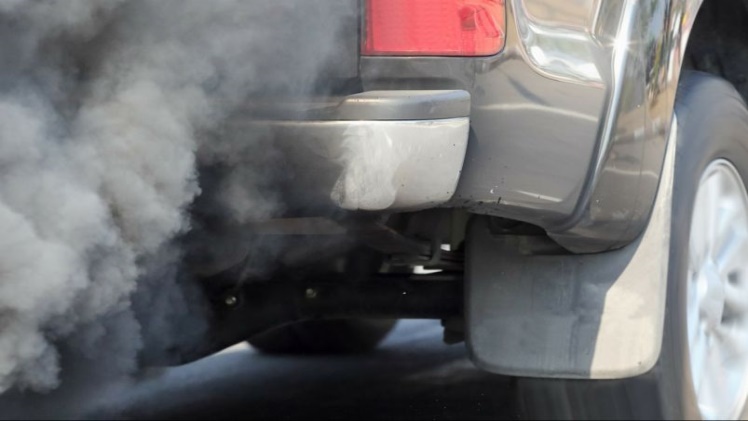
The diesel emissions scandal has rocked the automotive industry across the globe, with car manufacturers accused of cheating emissions tests in order to sell cars that pollute more than advertised. The controversy has been particularly intense in Europe, where diesel cars have traditionally been popular due to their fuel efficiency and low carbon emissions. But as the scandal has unfolded, it has become clear that the reality is far more complex.
It’s been a turbulent few years for the diesel industry, with allegations of cheating emissions tests, health concerns over toxic fumes, and widespread criticism of government policy. The controversy has played out differently in different countries, but the underlying issue remains the same: how can we balance the benefits of diesel engines with the risks they pose to human health and the environment?
Starting with the United States, where the scandal first broke. Volkswagen was caught installing software in its diesel vehicles that manipulated test results in 2015. Company reputation was severely damaged, and billions of dollars were paid out in financial penalties and compensation to customers. But the fallout from the scandal didn’t end there. Other carmakers, including Daimler and Fiat Chrysler, have also been accused of cheating on emissions tests. The US Environmental Protection Agency (EPA) has been cracking down on diesel emissions, and it’s likely that more fines and lawsuits will follow.
In the UK, the diesel scandal erupted in 2015 when Volkswagen was caught using “defeat devices” to cheat emissions tests. The scandal quickly spread to other carmakers. Investigations revealed that millions of diesel vehicles were emitting far more nitrogen oxide (NOx) than permitted under EU regulations. As a result, millions of drivers could make a diesel car claim.
The UK government has now introduced a raft of measures to discourage diesel use. These included higher taxes on diesel cars, a diesel scrappage scheme, and plans to ban the sale of new diesel and petrol vehicles by 2030.
In Germany, the diesel scandal was an even bigger story, given the country’s dominant car industry. In 2018, the German government ordered carmakers to recall 774,000 vehicles that were emitting excessive levels of NOx. The recall was part of a wider crackdown on diesel emissions, which included bans on older diesel vehicles in some cities and a commitment to phase out combustion engines by 2030. The scandal has led to widespread criticism of the industry, with some calling for tighter regulations and greater transparency.
In France, the diesel scandal prompted a radical rethink of transport policy. The country has long been a champion of diesel engines, with more than 60% of cars on the road running on diesel. In 2017 the government announced plans to ban the sale of all petrol and diesel vehicles by 2040, as part of a wider commitment to reduce greenhouse gas emissions newsintv .
But the diesel emissions scandal is not limited to Europe and the United States. The Automotive Research Association of India investigated defeat devices and found that Volkswagen India had installed a derivation of the software used in the US. In 2015 India banned all diesel vehicles over 10 years old from operating in Delhi, the capital city. The move was intended to reduce pollution in the city, which has some of the worst air quality in the world.
In China, the world’s largest car market, the diesel emissions scandal has also had an impact. In October 2015, nearly two thousand Tiguan SUVs were recalled, in order to fix the emissions software problems.
The diesel emissions scandal has highlighted the complex relationship between the automotive industry, governments, and consumers. While diesel cars have traditionally been popular due to their fuel efficiency and lower carbon emissions, it is now thought that they also pose a significant threat to air quality and public health. As a result, governments around the world are taking action to reduce the use of diesel cars and promote cleaner alternatives.
However, the diesel emissions scandal has also raised questions about the role of government regulation in ensuring that cars are safe and environmentally friendly. Some critics argue that governments have been too lax in their regulation of the automotive industry, allowing car manufacturers to cheat emissions tests and sell cars that are more polluting than advertised.
The diesel emissions scandal has had far-reaching consequences for the automotive industry and governments around the world. While diesel cars have traditionally been popular due to their fuel efficiency and lower carbon emissions, it is now clear that they also pose a significant threat to air quality and public health. As a result, governments are taking action to reduce the use of diesel cars and promote cleaner alternatives. However, the scandal has also highlighted the need for stronger government regulation to ensure that cars are safe and environmentally friendly.
