

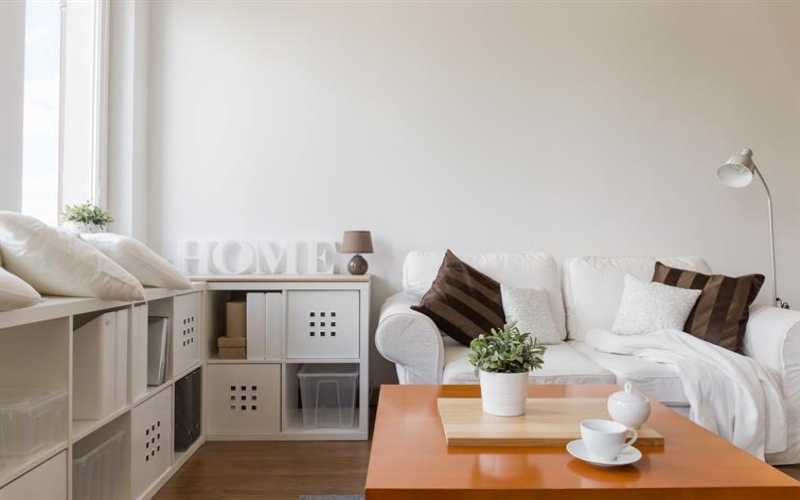
In the ever-evolving world of property letting, landlords face a crucial decision that significantly impacts their rental strategy: should they offer their properties furnished or unfurnished? This dilemma is one that many landlords, especially those in the vibrant city of Brighton, grapple with as they seek to cater to the diverse preferences of tenants. Brighton Letting Agents understand the nuances of the local rental market, and their insights can be invaluable in making this pivotal decision. In this article, we explore the pros and cons of renting furnished and unfurnished properties, providing landlords with a comprehensive guide to navigate the rental landscape effectively.
Furnished Properties: A Tenant’s Convenience:
Pros:
Ready for Immediate Living:
Furnished properties are a hassle-free solution for tenants who desire a quick and convenient move. Brighton Letting Agents often highlight that such properties are attractive to transient tenants, such as students or professionals relocating for work, who may not have the time or inclination to furnish their homes.
Higher Rental Income:
Renting a furnished property allows landlords to command higher rental prices. The inclusion of furniture and appliances is perceived as an added value, enabling landlords to justify a higher monthly rent. This can be a lucrative option, especially in areas like Brighton, where demand for fully equipped rental properties is on the rise.
Broader Tenant Pool:
Furnished properties tend to appeal to a wider audience. Whether it’s young professionals, international students, or individuals moving for short-term assignments, the inclusivity of furniture broadens the scope of potential tenants. Brighton Letting Agents often recommend furnished properties to landlords seeking to maximise occupancy rates.
Cons:
Wear and Tear:
Furnished properties may experience more wear and tear due to the use of furniture and appliances. Landlords need to budget for maintenance and potential replacements, as regular use can result in a faster depreciation of furnishings.
Limited Personalisation:
Tenants may feel restricted in terms of personalisation when living in a furnished property. The landlord’s choice of furniture and decor may not align with the tenant’s taste, potentially affecting their satisfaction and long-term commitment to the property.
Logistical Challenges:
Managing and maintaining furnishings can pose logistical challenges for landlords. From regular inspections to dealing with damages and replacements, the added responsibility of overseeing the condition of furniture requires proactive management.
Unfurnished Properties: A Blank Canvas for Tenants
Pros:
Tenant Personalisation:
Unfurnished properties provide tenants with a blank canvas to personalise their living space. This is particularly appealing to long-term renters who prefer to surround themselves with their furniture and decor. Brighton Letting Agents often recommend unfurnished properties for families or individuals seeking a more permanent residence.
Lower Maintenance Costs:
Without the added responsibility of maintaining and replacing furniture, landlords of unfurnished properties can benefit from lower maintenance costs. This can contribute to a more straightforward and cost-effective management of the rental property.
Long-Term Stability:
Unfurnished rentals are often chosen by tenants looking for long-term stability. Families or individuals planning to settle for an extended period may prefer the flexibility of an unfurnished property where they can invest in their own furniture and create a home tailored to their needs.
Cons:
Limited Tenant Pool:
Unfurnished properties may attract a narrower tenant pool, as they may not be suitable for those seeking a quick and convenient move. This could be a consideration for landlords in high-demand areas like Brighton, where the transient population may lean towards furnished options.
Lower Rental Income:
While unfurnished properties may appeal to tenants seeking a more permanent residence, landlords may need to adjust their rental expectations. Unfurnished rentals generally command lower monthly rents compared to their furnished counterparts.
Initial Setup Costs for Tenants:
Tenants opting for unfurnished properties face the initial cost and effort of furnishing their homes. This can be a deterrent for some individuals, especially those who are moving from abroad or are in transitional phases of their lives.
Partial Furnishing:
One compromise is to offer partially furnished properties. This allows landlords to provide essential furnishings, such as kitchen appliances and basic furniture while leaving room for tenants to add their personal touches. This middle ground can appeal to a broader range of tenants.
Conclusion:
Choosing between renting furnished or unfurnished properties is a decision shayariway that demands careful consideration from landlords, especially in dynamic markets like Brighton. Brighton Letting Agents can serve as invaluable partners in navigating the nuances of the local rental landscape. Ultimately, the key lies in understanding the target demographic, and local market trends, and balancing the benefits and challenges associated with each option. By doing so, landlords can optimise their rental strategy, providing desirable homes that meet the diverse needs of tenants while maximising their investment returns in this ever-evolving rental landscape.
