

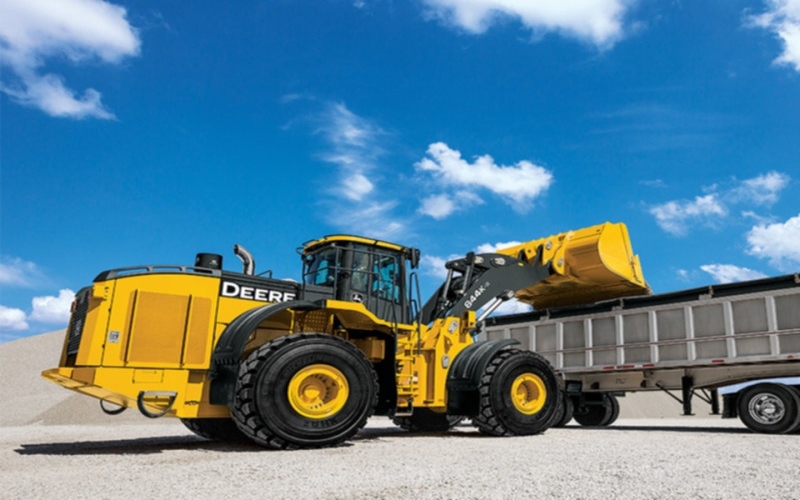
Machinery auctions have become a popular way for businesses and individuals to buy and sell used equipment. These auctions provide a platform for buyers and sellers to come together and negotiate prices for machinery that may no longer be needed by one party but could be useful to another. Machinery auctions are held both online and in-person, and they offer a wide range of equipment, including construction machinery, farm equipment, and industrial machinery.
One of the biggest advantages of machinery auctions is the opportunity to purchase equipment at a lower cost than buying new. This is particularly important for small businesses or individuals who may not have the budget to purchase new machinery. Additionally, machinery auctions offer a wider range of equipment than what may be available at a dealership or retailer. Buyers can find unique and hard-to-find items that may not be available elsewhere.
However, it is important for buyers to thoroughly inspect the equipment before making a purchase, as items sold at auctions are typically sold “as-is” with no warranties or guarantees. Buyers should also research the market value of the equipment they are interested in to ensure they are getting a fair price. With these considerations in mind, machinery auctions can be a great resource for those in need of used equipment.
Understanding Machinery Auctions
Machinery auction is a great way to purchase equipment for your business or personal use. They allow you to buy high-quality machinery at a fraction of the cost of buying new. However, before you attend an auction, it is important to understand the different types of auctions, the benefits of buying at auction, and key auction terminology.
Types of Machinery Auctions
There are several types of machinery auctions, including online auctions, live auctions, and sealed bid auctions. Online auctions are conducted over the internet and allow bidders to participate from anywhere in the world. Live auctions are held in person and allow bidders to inspect the equipment before bidding. Sealed bid auctions require bidders to submit their bids in writing, and the highest bidder wins.
Benefits of Buying at Auction
Buying machinery at auction has several benefits. First, it allows you to purchase equipment at a lower cost than buying new. Second, auctions often have a wide variety of equipment available, so you can find exactly what you need. Third, auctions are a great way to buy equipment quickly, without having to wait for a long lead time. Finally, auctions can be a fun and exciting way to purchase equipment.
Key Auction Terminology
Before attending an auction, it is important to understand some key auction terminology. The “reserve price” is the minimum price that the seller is willing to accept for the equipment. The “hammer price” is the final price that the equipment sells for, not including any fees or taxes. The “buyer’s premium” is a fee that is added to the hammer price and paid by the buyer. The “lot” is the specific item or group of items being sold at the auction.
Overall, machinery auctions are a great way to purchase equipment for your business or personal use. By understanding the different types of auctions, the benefits of buying at auction, and key auction terminology, you can be confident in your ability to participate in an auction and make a successful purchase.
Preparing for a Machinery Auction
When it comes to purchasing machinery at an auction, it’s important to be well prepared. This means doing research, inspecting the equipment, and having a solid bidding strategy. Here are some tips to help you prepare for a machinery auction.
Researching Equipment
Before attending an auction, it’s important to research the equipment that will be up for bid. This can help you determine the fair market value of the machinery and set a budget for yourself. You can find information about equipment values through online resources, industry publications, and by speaking with experts in the field.
Inspection Tips
Inspecting the equipment thoroughly is crucial to ensure that it’s in good working condition. It’s important to inspect the machinery before the auction, as most auctions are “as-is” and do not offer any warranties or guarantees. Some important things to look for during an inspection include overall condition, signs of wear and tear, and any visible damage or repairs that have been made.
Bidding Strategies
Having a solid bidding strategy is key to getting the equipment you need at a fair price. It’s important to set a budget for yourself and stick to it, even if the bidding gets competitive. It’s also a good idea to have a maximum bid in mind before the auction starts, so you don’t get caught up in the excitement and overspend.
By doing your research, inspecting the equipment, and having a solid bidding strategy, you can increase your chances of getting the machinery you need at a fair price.
