

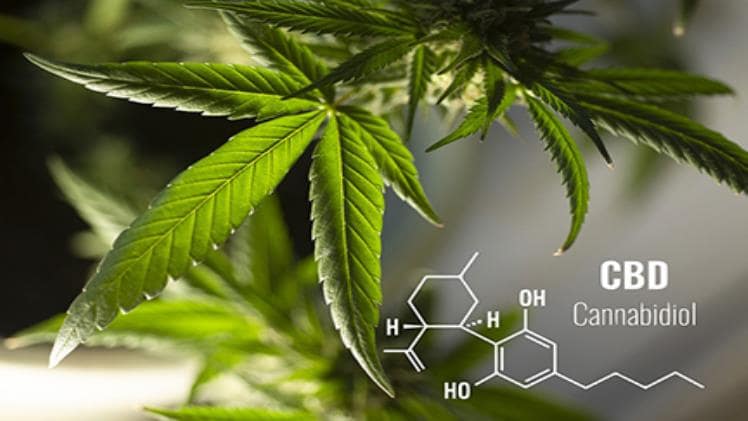
CBD products may provide relief for anxiety, depression and post-traumatic stress disorder, and sleep disorders. Part of CBD’s popularity it is “nonpsychoactive” and that consumers can reap health benefits from the plant without the high (or the midnight munchies).
History of CBD
CBD started to become popular in the mid-2000s when the story of Charlotte Figi, a Colorado infant with Dravet Syndrome (a severe epileptic disorder that affects children) tugged at the nation’s heartstrings and gave a new face to the millions who could benefit from cannabis.
After trying every conventional and experimental treatment in the book, Charlotte’s parents found a grower of high-CBD, low-THC cannabis. They made oil from it, gave it to Charlotte and hoped for the best, and the best happened. Their daughter’s seizures dropped from 300 attacks a week to fewer than five a month after she began taking the oil.
Positive stories like Charlotte’s, without a doubt, softened politicians and voters alike to the idea of legalizing cannabis in some form and may have impacted the decision to start many of the 33 state recreational and medicinal marijuana programs that have been passing since then.
What Is CBD (Cannabidiol) Oil?
Cannabidiol is a phytocannabinoid discovered in 1940. It is one of the 113 identified cannabinoids in cannabis plants, along with tetrahydrocannabinol, and accounts for up to 40% of the plant’s extract. CBD products gained popularity by helping to solve common problems such as sleep disorders and muscle pains.
CBD Products in Fighting Insomnia
Insomnia is a sleep disorder that affects about 65 million Americans. The very definition of insomnia is a decrease in the quality and quantity of sleep, which prevents the rest itself from being restorative. This condition typically leaves people trying to find the answer to the commonly asked question, “how can I fall asleep faster and stay asleep longer?” There are two types of Insomnia. One is primary, meaning that the cause of insomnia is stress and various disorders related to work, daily life and parenting. This stage is also mistaken by most people suffering from this primary stage as “lack of sleep symptoms.”
The second type of insomnia is secondary, which means that it is linked to a psychiatric or medical pathology or to drug use, which accentuates this phenomenon.
CB1 and CB2 receptors are located naturally in our bodies. CBD relieves several areas of the body that may not be relaxed.
CBD as a Muscle Cramp Reliever
CBD can work as a natural muscle resultant through inhibiting the results of neurotransmitters known to induce muscle rigidity and spasms.
Seven muscle recovery supplements help in the rebuilding of muscles. They are:
- Protein supplement- protein is perhaps the most helpful supplement known by many people for muscle recovery
- Branched-chain amino acid (BCAA) supplement
- Fatty acid supplement
- Creatine supplement
- Citrulline malate supplement
- Magnesium supplement
- Tart cherry juice extract
The above-listed supplements are but a few muscle recovery supplements used by a large population of human beings, most of them being athletes, for muscle pain relief. But CBD is another popular option for pain relief. According to the National Centre for Complementary and Integrative Health (NCCIH), some evidence suggests that cannabis or CBD could have modest benefits for pain. CBD is a good product for pain relief, such as sore muscle relief, used by most populations in some areas worldwide.
A 2020 review reports that CBD could have benefits for relieving chronic pain, improving sleep and reducing inflammation, but these effects are condition-specific.
CBD products can help increase energy levels due to their ability to enhance protein synthesis and expression within areas of the brain associated with wakefulness. It also works to regulate the endocannabinoid system, which can modulate your body’s sleep-wake cycle to create lasting energy.
CBD might help you get a goodnight’s sleep which may help you feel more energetic and focused.
