

Cancer screening involves medical tests conducted to detect cancer before any symptoms appear. The purpose of screening is early detection, which enhances the chances of successful treatment and survival.
Different Types of Cancer Screenings
Cancer screenings are crucial for the early detection and treatment of various cancers. Numerous cancer screening tests exist for different types, such as mammograms for breast cancer, Pap smears for cervical cancer, colonoscopies for colorectal cancer, and skin checks for skin cancer.
importance of Cancer Screening
Reduction in Cancer Mortality
Significant advancements in medical science have led to a notable reduction in cancer mortality rates. Early detection, therapeutic innovation, and increased awareness contribute significantly to this positive trend, improving survival rates and quality of life.
Improved Quality of Life
Improved quality of life encompasses enhanced health, comfort, happiness, and satisfaction. It often involves better access to necessities, opportunities, and resources, reduced stress, and increased life expectancy. Such improvements can be facilitated by advancements in technology, healthcare, and social policies.
Economic Benefits of Early Detection
Early detection of diseases can bring significant economic benefits. It reduces healthcare costs by preventing expensive treatments. Furthermore, it also minimises productivity loss by ensuring the workforce remains healthy and effective.
Specific Cancer Screening Approaches and their Significance
Breast Cancer Screening
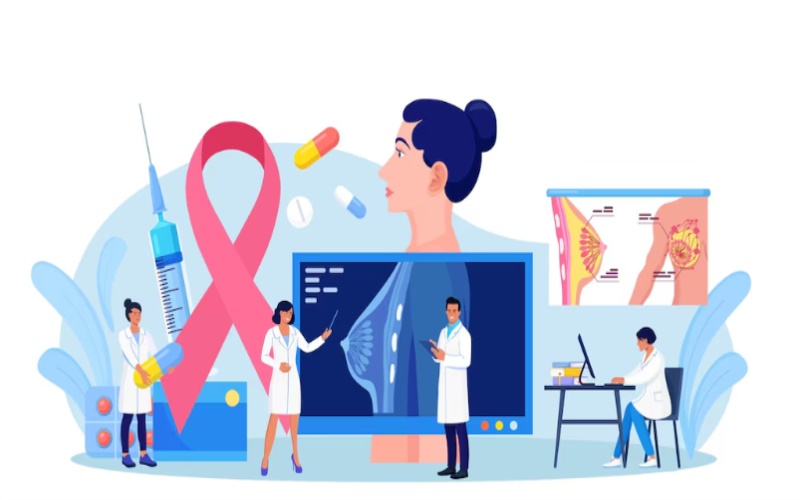
Breast cancer screening involves checking a woman’s breasts for cancer before any signs or symptoms appear. Methods include mammography, clinical breast exams, and self-examinations. Early detection increases treatment options and survival rates.
Colorectal Cancer Screening
Colorectal cancer screening allows for the detection and removal of precancerous growths, preventing the disease’s development. Tests include colonoscopy, flexible sigmoidoscopy, and stool-based tests, significantly reducing colorectal cancer-related deaths. Regular screening is advised at age 50.
Lung Cancer Screening
Lung cancer screening involves tests to detect lung cancer at an early stage, even before symptoms appear. This often involves a low-dose computed tomography (LDCT) scan, which can significantly reduce mortality rates in high-risk individuals.
Prostate Cancer Screening
Prostate cancer screening involves examining a man’s prostate for signs of cancer before he has any symptoms. Tests include the prostate-specific antigen (PSA) blood test and the Digital Rectal Exam (DRE), vital for early detection.
Skin Cancer Screening
Skin cancer screening involves checking the skin for signs of cancer before symptoms appear. It can help detect skin cancer at an early stage, when it’s most treatable. Regular self-examinations and professional evaluations are key aspects of skin cancer screening.
Cervical Cancer Screening
Cervical cancer screening is an essential preventive measure for women. It involves testing for pre-cancerous changes in the cervix that may develop into cancer. Regular screenings can detect abnormalities early, increasing the chances of successful treatment.
Advancements in Cancer Screening Technologies
Understanding Genetic Testing
Genetic testing involves examining a person’s DNA to identify changes or mutations that might indicate a genetic disorder. It aids in diagnosing diseases, tailoring treatments, and understanding one’s inherited traits. It’s a vital tool in modern medicine.
Liquid Biopsy and its Role in Early Detection
A liquid biopsy is a non-invasive technique that detects molecular biomarkers in bodily fluids, often blood, providing crucial diagnostic insights. It has a significant role in early cancer detection, facilitating timely interventions, and improving patient outcomes
AI and Machine Learning in Cancer Detection
AI and machine learning are revolutionising cancer detection. They aid in analysing complex medical data, ensuring faster and more accurate diagnosis, ultimately enhancing treatment plans, and improving patient outcomes.
Challenges and Controversies in Cancer Screening
Overdiagnosis and Overtreatment
Overdiagnosis and overtreatment involve unnecessary medical interventions triggered by inaccurate diagnoses. They carry the risk of causing physical harm, emotional distress, and a financial burden. They also waste valuable healthcare resources that might be directed towards genuine patients.
False-positive and False-negative Results
False-positive and false-negative results occur in diagnostic testing. A false positive suggests you have a condition when you don’t, causing unwarranted stress or treatment. Conversely, a false negative overlooks a condition, possibly leading to delayed treatment. Both can lead to significant patient implications.
Access and Equality Issues in Cancer Screening
Access and equality issues in cancer screening involve disparities in healthcare based on factors like socioeconomic status, race, and location. These inequalities can lead to delayed diagnoses, less effective treatments, and higher mortality rates.
Guidelines for Cancer Screening
Various Organisations’ Recommendations
Various organisations globally provide recommendations on diverse topics such as health, finance, human rights, and environmental conservation. Their advisories guide policy-making processes, foster best practices, and promote global standards for benchmarking and efficacy.
Age, Sex, and Risk Factors Considerations
Considerations concerning age, sex, and risk factors are integral to health assessments. Age and sex can influence susceptibility to certain illnesses, while risk factors like lifestyle choices, genetics, or pre-existing conditions significantly determine one’s health and wellness outcomes.
Personalising Screening Decisions
Personalising screening decisions involves tailoring health screenings and medical tests based on an individual’s unique health profile. This innovative approach takes into account personal risk factors, family history, and genetic predispositions to ensure preventative care is effectively targeted.
The Role of Primary Care Providers in Cancer Screening
Educating and counselling Patients
Educating and counselling patients is a vital aspect of healthcare. It encompasses informing patients about their medical condition, treatment options, health maintenance, and offering psychological support. It aids in effective patient participation by fostering understanding and adherence to medical recommendations.
Implementing Screening and Referral Systems
Implementing screening and referral systems is crucial in healthcare settings. This process helps identify individuals’ medical conditions at an early stage, enabling timely intervention. It also seamlessly connects patients to appropriate specialists, ensuring optimal care and treatment outcomes.
Advocacy and Cancer Screening Policies
The Need for Advocacy in Promoting Early Detection
Advocacy is crucial in promoting early detection of diseases, enabling timely interventions, and improving health outcomes. It raises awareness, educates people about warning signs, and encourages regular check-ups, ultimately preventing avoidable complications or fatalities.
The Impact of National and Global Screening Policies
National and global screening policies significantly impact population health through the early detection of diseases, thus enabling timely intervention. However, they also raise ethical concerns related to privacy, discrimination, and overdiagnosis.
Cancer Survivorship and the Role of Regular Screening
Life after Cancer Diagnosis
Life after a cancer diagnosis can be overwhelmingly challenging, often marked by frequent treatments, emotional turmoil, and lifestyle adaptations. However, with medical advancements and support systems, individuals can attain a meaningful, fulfilling life.
importance of Regular Screening for Survivors
Regular screening for survivors is crucial, as it aids in the early detection of recurring or new diseases, improving treatment effectiveness and survivability. It supports continuous health monitoring, ensuring a better quality of life for survivors.
Cancer screening FAQs
What is a full cancer screening?
A full cancer screening is a thorough medical examination designed to detect different types of cancer before symptoms appear. This involves various tests tailored to identify specific cancer types effectively and early for better tests and prognoses.
What tests are done to check for cancer?
Cancer detection involves various tests, such as imaging tests (like MRI, PET, and CT scans), laboratory tests (like blood and urine tests), biopsy, endoscopy, and genetic tests. These assist in diagnosing and identifying the type, location, and stage of cancer.
Can you do a full-body cancer screening?
Yes, a full-body cancer screening is possible. It consists of various tests conducted to detect cancer cells or tumours in different parts of the body. Consult a healthcare provider for more guidance.
When should you start getting cancer screenings?
Cancer screenings should ideally start when individuals reach an age or condition where their risk factors significantly increase. This varies depending on gender, family history, and specific cancer types. Regular check-ups and consultations with your doctor are important.
