

A definition is an explicit explanation or meaning of a concept, term, or idea. It serves as an essential tool for clear communication and understanding, thus fostering common agreement. Its importance lies in providing concise, accurate understanding, which prevents confusion and misinterpretation.
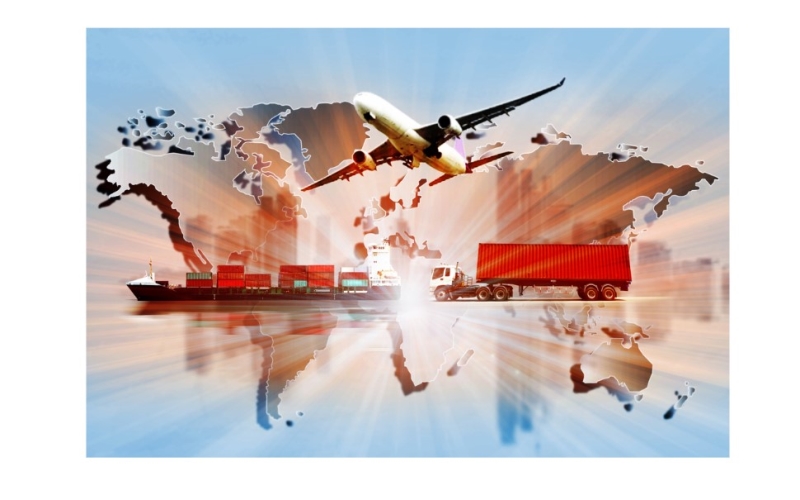
Global logistics play a critical role in international business by facilitating the efficient and timely movement of goods and services across borders. Best global logistics ensures that supply chains operate smoothly, enhancing companies’ competitiveness. Reliable logistics directly impact businesses’ profitability, economic growth, and increased customer satisfaction levels.
The Evolution of Global Logistics
Historical progression refers to the continuous evolution of society over time. This progression encapsulates political changes, technological advancements, cultural shifts and economic development. It represents humanity’s learning curve, demonstrating how societies have evolved and continue to progress.
Technology has significantly impacted global logistics, enhancing efficiency, speed, and accuracy. Innovative tools such as AI, robotics, and IoT have streamlined supply chain processes, reduced operational costs, and improved overall performance. Technology also has facilitated real-time tracking, ensuring greater transparency and reliability.
Key Components of Global Logistics
Transportation is a crucial component of human lives enabling the movement of people and goods across distances. It shapes economies by promoting trade and connectivity. Modern transportation includes a variety of modes such as cars, trains, airplanes, and ships, each carrying its unique advantages.
Inventory management is a crucial business practice that involves overseeing and controlling the ordering, storage, and usage of components that a company uses in the production of its goods or the products it sells directly to consumers. Effective inventory management can significantly improve profitability.
Warehousing refers to the process of storing goods and materials in a large, organized manner before they are distributed for retail, wholesale, or export. These facilities play a crucial role in supply chain management by ensuring safe storage and efficient distribution.
Packaging plays a crucial role in branding and product marketing. It not only protects goods but also constitutes a means of identification and advertisement. Innovative, eco-friendly packaging solutions can distinguish products, promoting both sales and a company’s environmental responsibility.
Understanding International Supply Chains
Definition refers to clear, concise explanations or descriptions of a concept, term, or phenomenon. It is significant in conveying precise meanings, avoiding misunderstanding, and ensuring effective communication. Particularly in academia, business, research, and law, accurate definition is imperative for clarity and precision.
Global supply chain components consist of suppliers, manufacturers, distributors, retailers, and customers. These elements work together, managing the flow of raw materials and finished products from origin to consumption. The efficient interaction of these components is vital for successful business operations.
Technology plays a crucial role in modern supply chains by enhancing efficiency and improving communication. It facilitates inventory and order tracking, streamlines shipping and handling, and enables predictive analytics for demand forecasting. This ultimately results in reduced costs and increased customer satisfaction.
Key Strategies for Navigating International Supply Chains
Building effective global supply chain networks is crucial for businesses to maximize efficiency and profitability. It encompasses strategic sourcing, logistics coordination and inventory management across international boundaries. A well-structured network aids in lowering costs, enhancing customer satisfaction and sustaining competitive advantage.
Incorporating technology in supply chain management enhances efficiency and accuracy. It accelerates processes, reduces errors, and improves tracking and forecasting capabilities. Technologies like artificial intelligence, blockchain, and big data analytics are revolutionizing supply chain operations, fostering business growth and customer satisfaction.
Risk management in global supply chains involves identifying, assessing, and mitigating risks that may disrupt the flow of products and services. It’s crucial to maintain operations, ensure customer satisfaction, and avoid financial losses. Strategies include diversification, supplier collaboration, and implementing technology for increased visibility.
Implementing sustainable supply chain practices is essential for businesses today. It involves reducing environmental impacts, promoting social responsibility, and maintaining economic viability. By embracing recyclable materials, renewable resources, and fair-trade policies, companies can achieve sustainability in their supply chains.
Challenges in Global Logistics and International Supply Chains
Political and legal challenges encompass the complexities involved in implementing policies, asserting rights, and enforcing laws. They often include fraud, corruption, political instability, and inconsistent law enforcement. These challenges can greatly impact a society’s structure and the effectiveness of legislation.
Cultural differences embrace a variety of aspects including language, food, etiquette, and beliefs. These differences enrich our global society, enabling diversity and fostering understanding. However, they can also pose challenges in cross-cultural communication and collaboration, requiring sensitivity and respect.
Economic challenges encompass a variety of issues such as inflation, unemployment, poverty, and economic inequality. In developing countries, these extend to lack of infrastructure and inadequate access to basic services. Tackling these issues requires sound policies, strategic planning, and sustainable practices.
Environmental concerns are essential subjects in today’s world. They involve issues related to air and water pollution, deforestation, and global warming. These concerns greatly affect the health and livelihood of all species, including humans, underscoring the urgency for immediate action.
The Future of Global Logistics and International Supply Chains
Emergent technologies significantly impact society, transforming how we work, communicate, and interact. They innovate industries, boost productivity, and generate economic growth. However, they also raise challenges such as data privacy, job displacement, and social inequality that must be properly managed.
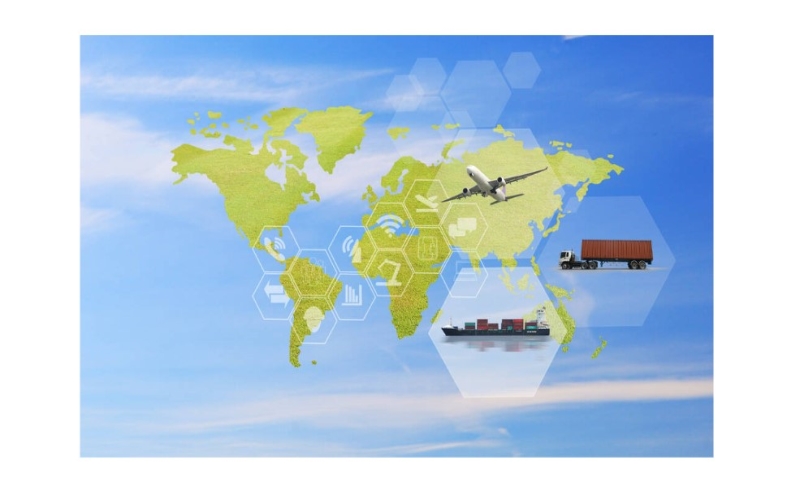
Increasing globalization, advanced technology, trade liberalization, and environmental concerns are prominent trends shaping the future of global logistics and international supply chains. These elements are leading to efficient, tech-driven, flexible, and sustainable systems that overcome traditional logistics challenges.
Conclusion
The intersection of global logistics and international supply chains is pivotal in today’s interconnected world. Defined by seamless coordination, efficient transportation, and advanced technology, these systems ensure the smooth movement of goods across borders, driving economic growth and enhancing competitiveness.
As we navigate the evolution of global logistics, technological advancements continue to revolutionize supply chain management, offering new opportunities for efficiency and innovation. However, challenges such as political complexities, cultural differences, economic disparities, and environmental concerns persist, requiring strategic solutions and collaborative efforts.
Looking ahead, the future of global logistics and international supply chains holds promise for even greater efficiency, sustainability, and resilience. By embracing emerging technologies, fostering cross-cultural understanding, and prioritizing environmental stewardship, we can build more robust and adaptive systems that meet the demands of an ever-changing global landscape.
